What role did Jacques de Blanchefort play in the Knights Templar and why is his term of office historically significant?
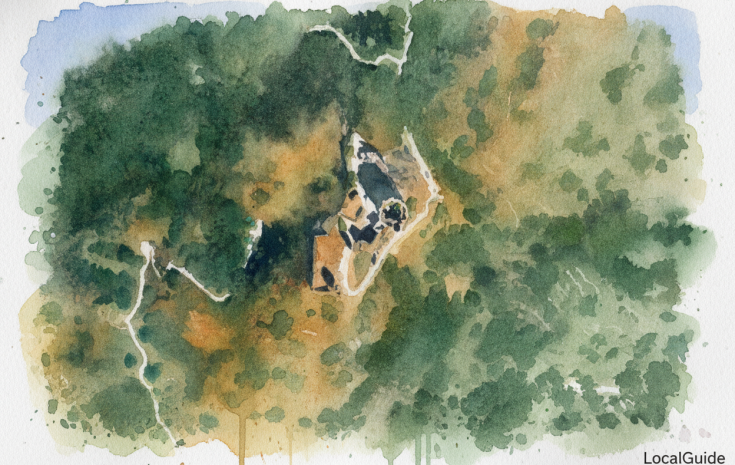
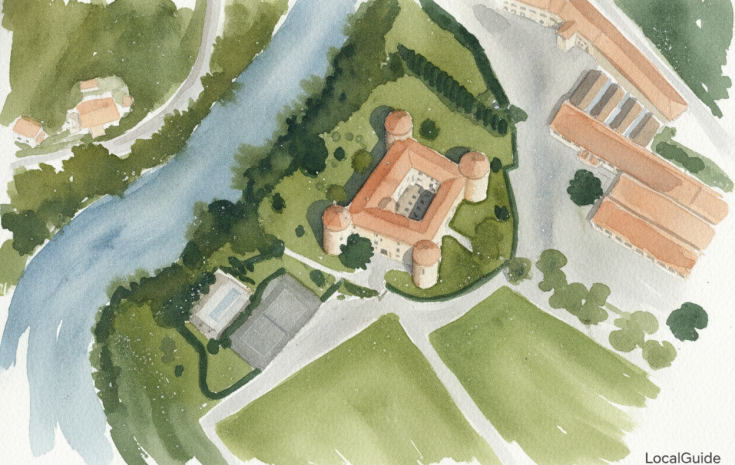
Jacques de Blanchefort was elected the 35th Grand Master of the Templar Order in 1422, but his tenure lasted only a few months until his death in 1423. His rule is historically significant because it fell during the turbulent time of the Hundred Years' War. As the uncle of Bertrand de Blanchefort, the future Grand Master of the Order of St. John, he united two powerful orders of knights. His family...
What is the geometric pentagram and what other places are involved?
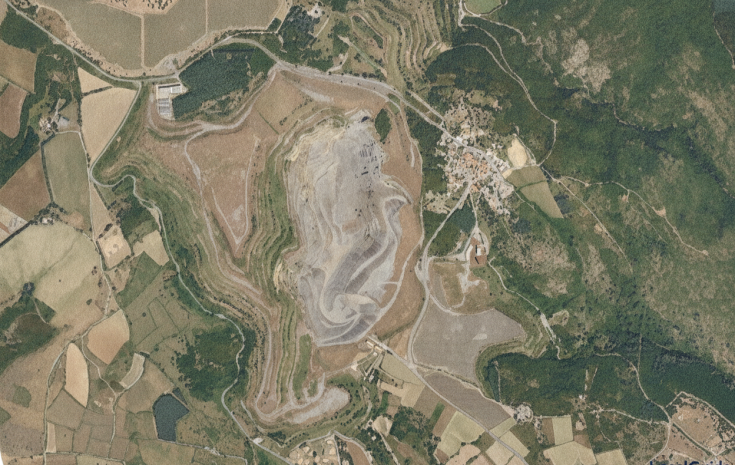
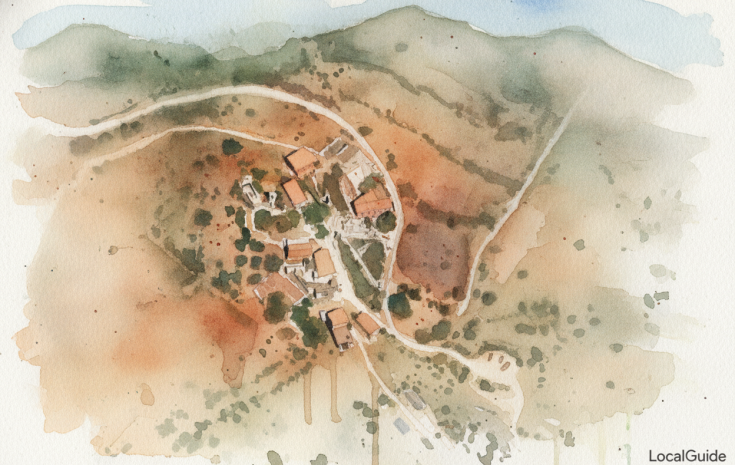
The so-called pentagram of the Rennes region is a fascinating geometric pattern that connects five villages: Rennes-le-Château, Blanchefort, Bézu, Coustaussa and Arques. These five points form an almost perfect pentagon, with Blanchefort, Rennes-le-Château and Bézu forming an inner triangle. This pattern was discovered in the 1970s by esotericists, who…
How did the siege go in 1210 and why did the castle surrender without a fight?
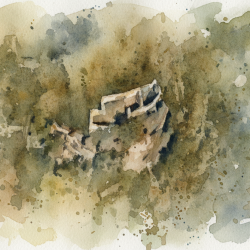
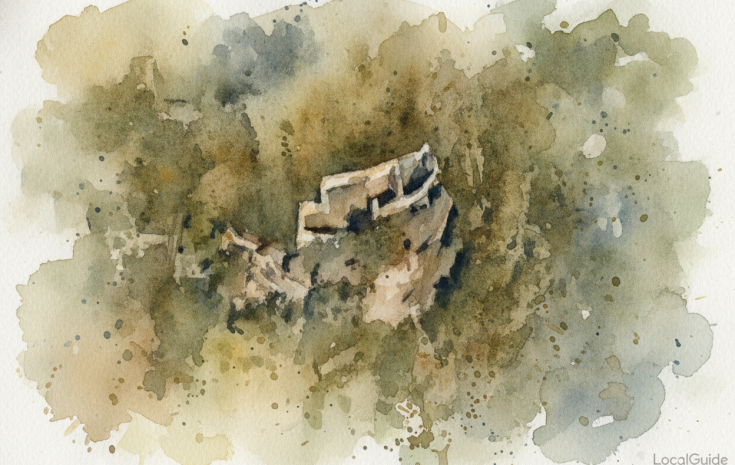
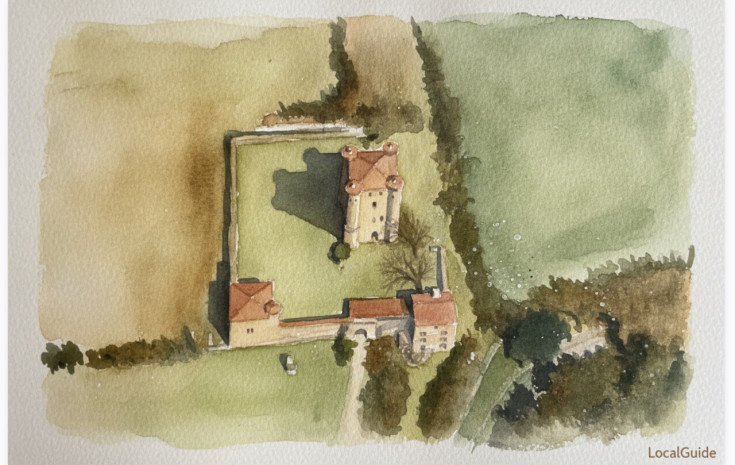
In November 1210, Simon de Montfort approached the castle with his crusaders after conquering Termes. The garrison of Blanchefort, led by Pierre de Castelnau, lost heart and fled through an underground corridor to the neighboring castle of Coustaussa without firing a single arrow. This handover without a fight was unusual for the time and nourished later legends.…
What archaeological features were discovered during excavations and what do they reveal about daily life?
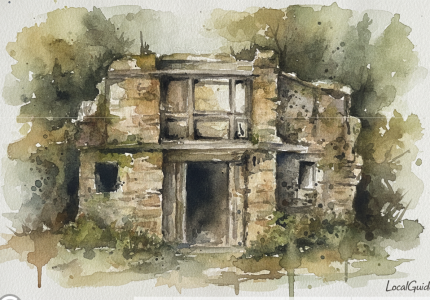
Archaeological investigations in the 1980s and 1990s revealed remarkable findings. Remains of a large cistern were discovered, which secured the water supply during sieges, as well as traces of a forge and ovens. Ceramic fragments prove trade relations as far as Spain and Italy. Particularly interesting are found tiles and bone cubes that show...
 de
de en
en fr
fr




 Health
 Park
Park ATM/Bank
 Petrol pump
 Restourant
 Store
Store